Ottoline Pemberton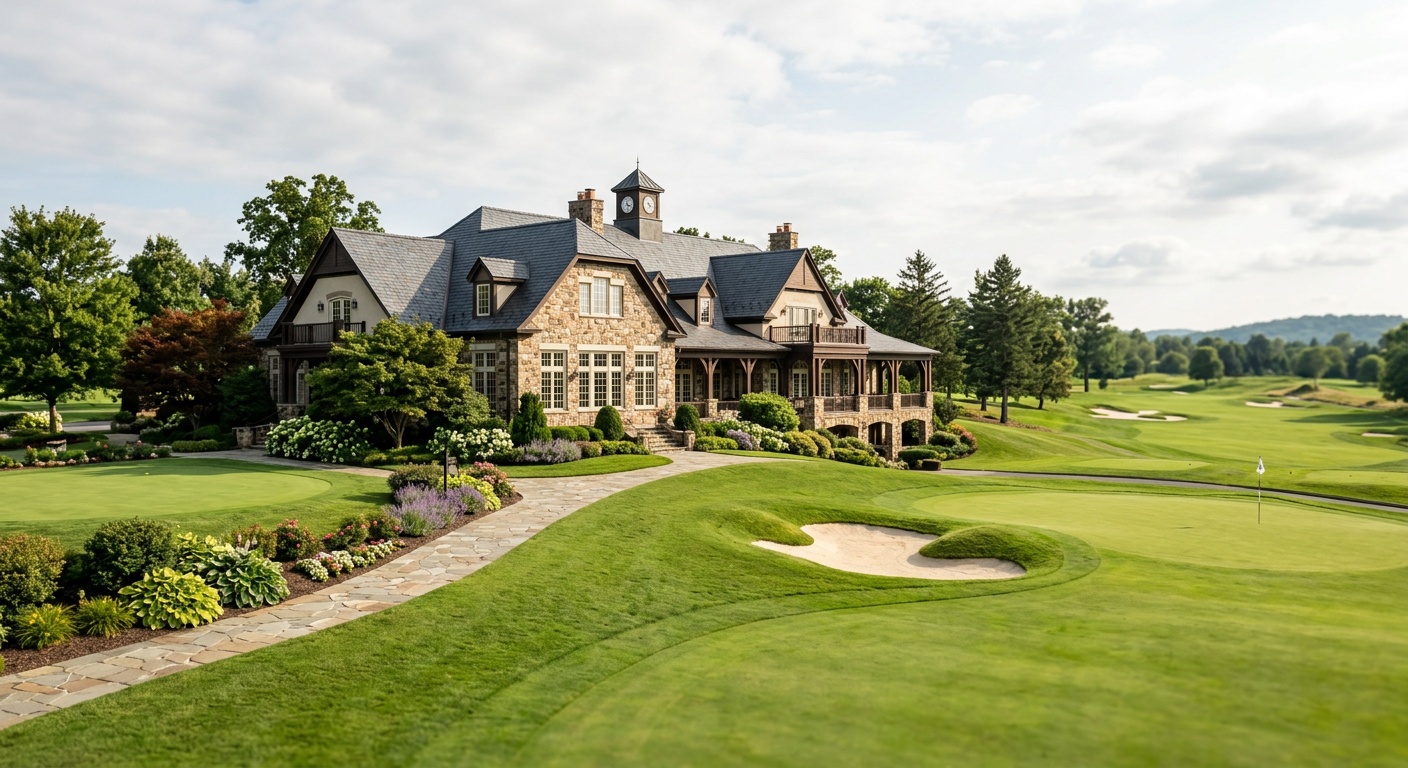
The Complete Guide to Retiring on a Golf Course in Pinehurst, NC (2026 Edition)
Reading time: 9 minutes
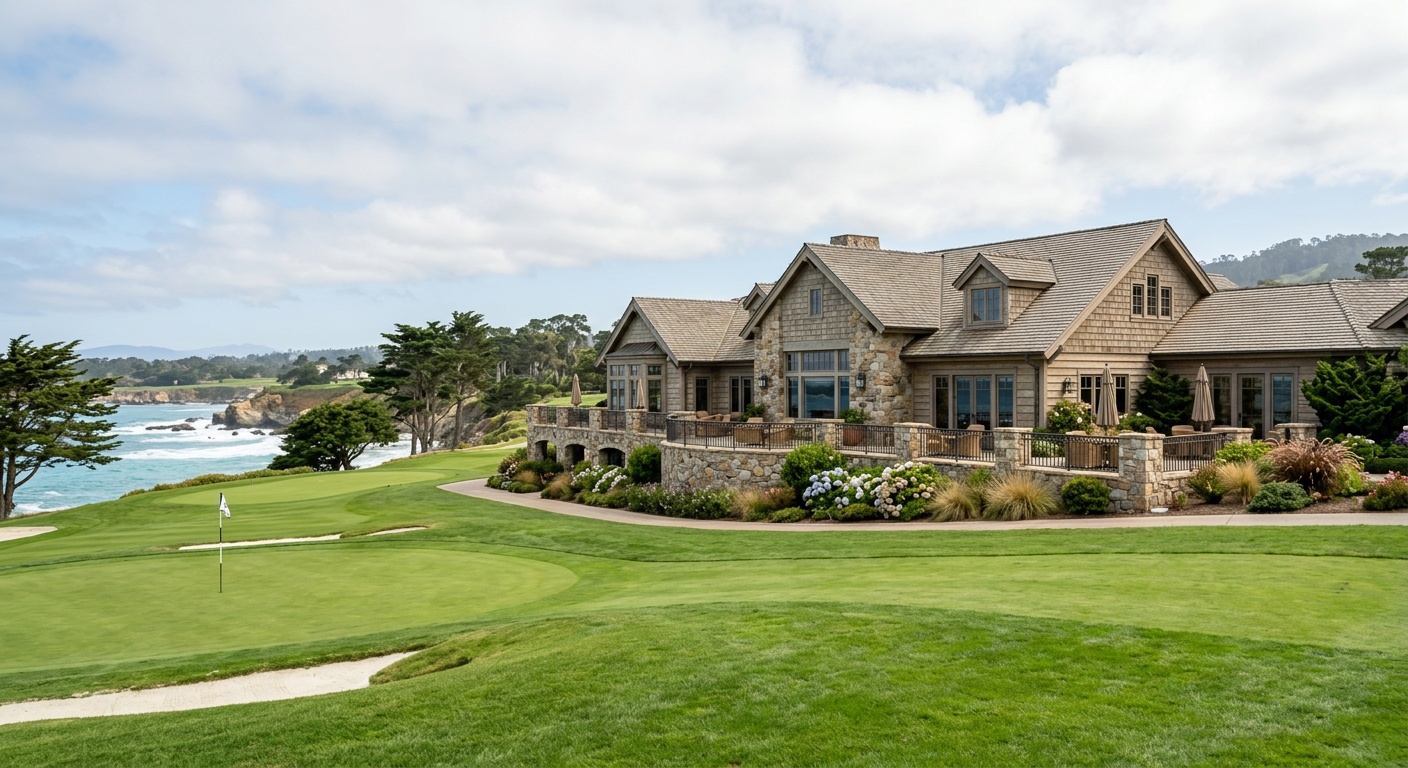
Picture this: it’s a crisp October morning in 2026, mist still clinging to the fairways of Pinehurst No. 2, and you’re sipping coffee on your back porch that opens directly onto the 14th green. No commute. No alarm clock. Just the quiet thwack of a well-struck iron somewhere in the distance. For thousands of retirees, that image isn’t a fantasy—it’s Tuesday.
Pinehurst, North Carolina has spent more than a century cultivating a reputation as America’s golf capital, but it’s increasingly becoming something else too: one of the smartest places in the Southeast to retire. Let’s dig into what that actually looks like in practice, what it costs, and how to avoid the mistakes that trip up newcomers.
Table of Contents
- Why Pinehurst Has Become a Retirement Hotspot
- Understanding the Real Costs
- Choosing the Right Golf Community
- Healthcare, Climate, and Daily Life Considerations
- Common Challenges (and How to Solve Them)
- Comparing Pinehurst to Other Golf Retirement Destinations
- Frequently Asked Questions
- Your Roadmap Forward
Why Pinehurst Has Become a Retirement Hotspot
Here’s the straight talk: Pinehurst isn’t just riding on nostalgia from hosting nine U.S. Opens (with the tenth confirmed for 2029 at No. 2). It’s riding on infrastructure, affordability relative to coastal markets, and a genuinely walkable small-town feel that’s rare in golf-centric developments.
Moore County’s population has grown roughly 14% since 2020, and local real estate agents report that in 2026, retirees and near-retirees account for an estimated 60-65% of new home purchases in the greater Pinehurst-Southern Pines-Aberdeen corridor. That’s not a coincidence—it’s a direct result of deliberate community planning around golf, healthcare access, and low property taxes.
The Golf Ecosystem Itself
There are more than 40 golf courses within a 15-mile radius of the Village of Pinehurst. That density matters more than people realize when they’re planning retirement. It means you’re not locked into a single club’s membership fees or tee-time scarcity—you have leverage, variety, and the ability to golf five different personalities of course within a short drive.
Small-Town Charm Meets Real Amenities
Unlike some golf retirement enclaves that feel isolated or purely residential, the Village of Pinehurst has a genuine downtown—bookshops, farm-to-table restaurants, a theater, and a historic inn that anchors the whole community. Retirees consistently tell me (and local Chamber of Commerce surveys back this up) that the ability to walk to dinner after a round of golf is a bigger quality-of-life factor than the golf itself.
Understanding the Real Costs
Let’s get specific, because vague cost estimates are where most retirement plans go sideways.
As of early 2026, median home prices in golf course communities around Pinehurst range from $425,000 for a modest patio home in an established neighborhood to $1.2 million-plus for custom builds directly overlooking championship courses like No. 8 (the Donald Ross-designed “Centennial” course, aptly named for the resort’s 130th anniversary).
Beyond the mortgage, here’s what catches people off guard:
- HOA and club dues: Many communities bundle mandatory country club membership into HOA fees, ranging from $300 to $900 monthly.
- Initiation fees: Private clubs like the Country Club of North Carolina can require initiation fees north of $50,000, separate from monthly dues.
- Property taxes: Moore County’s rate remains attractively low—around 0.63% of assessed value in 2026—compared to national averages near 1.1%.
- Golf cart and maintenance costs: Many communities require golf-cart-accessible paths and impose specific maintenance standards that add modest but recurring costs.
A Quick Reality Check
A couple I spoke with, Diane and Marcus (names changed for privacy), relocated from New Jersey in late 2024. They budgeted $650,000 for a home and completely overlooked the $42,000 initiation fee at their chosen club. “We had the house money figured out perfectly,” Diane told me. “The club fee blindsided us. We had to delay furnishing two rooms for eight months.” Their advice: get the full fee schedule in writing before you make an offer, not after.
Choosing the Right Golf Community
Not all golf communities are created equal, and Pinehurst offers distinctly different flavors depending on your priorities.
Established vs. Newer Developments
Older, established neighborhoods like Pinewild Country Club offer mature landscaping, lower per-square-foot pricing, and a settled social calendar. Newer developments—several broke ground between 2023 and 2025 along the Aberdeen corridor—offer modern floor plans, better ADA accessibility, and often lower entry price points, but thinner social infrastructure since neighbors are still arriving.
Private, Semi-Private, or Public Access
This is the decision point that determines your monthly budget more than almost anything else. Fully private clubs offer exclusivity and consistent tee times but carry the highest dues. Semi-private arrangements, increasingly common in 2026 as clubs diversify revenue, let you pay lower dues while accepting some public play during off-peak hours. Public-access communities near courses like Pinehurst National offer the lowest financial barrier to entry but require booking tee times like any visitor.
Healthcare, Climate, and Daily Life Considerations
Golf is the headline, but healthcare access is what actually determines whether a retirement location works long-term. FirstHealth Moore Regional Hospital in Pinehurst is a genuine asset here—a full-service hospital with cardiac and stroke certification, which is unusual for a town this size. That’s a major reason retirees choose Pinehurst over more remote golf destinations.
Climate-wise, the Sandhills region sits in a sweet spot: four real but mild seasons, sandy soil that drains quickly (crucial for both golf course quality and avoiding the mosquito-heavy stagnant water issues of the coast), and roughly 213 sunny days annually—enough for golf nearly year-round without the brutal summer humidity spikes of Charleston or Savannah.
Common Challenges (and How to Solve Them)
Every retirement relocation involves friction points. Here are the three that come up most often, along with practical fixes.
Challenge One: Underestimating Social Adjustment Time
Even the friendliest golf community takes time to crack socially. Solution: join a men’s or women’s golf association within your first month, not after you’re “settled in.” These groups (like the Pinehurst-area Nine Hole Ladies groups) are specifically designed to onboard newcomers quickly.
Challenge Two: Overestimating How Much You’ll Golf
Plenty of retirees buy the $900-a-month club membership dreaming of playing four times a week, then actually play once. Solution: consider a trial or transferable membership tier for your first year, and track your actual play frequency honestly before committing to a full equity membership.
Challenge Three: Ignoring Resale Liquidity
Golf course homes can be harder to resell than standard suburban housing because the buyer pool is narrower. Solution: work with an agent who specifically tracks days-on-market data for golf-adjacent properties, not just general area comps.
Comparing Pinehurst to Other Golf Retirement Destinations
| Metric | Pinehurst, NC | Hilton Head, SC | The Villages, FL |
|---|---|---|---|
| Median golf-community home price (2026) | $525,000 | $610,000 | $395,000 |
| Number of nearby courses | 40+ | 25+ | 50+ |
| Property tax rate (approx.) | 0.63% | 0.48% (with surtax layers) | 0.85% |
| Hurricane/flood exposure | Low-moderate | High | Low |
| Walkable town center | Yes | Limited | Yes (town squares) |
Reading the Numbers
The Villages wins on raw affordability and course density, but Pinehurst’s lower hurricane exposure and genuine historic town character are compelling counterweights. Hilton Head’s premium pricing reflects coastal demand, but that comes bundled with real storm risk that’s intensified in recent hurricane seasons.
As golf industry analyst Dana Reyes put it during a 2025 regional retirement panel: “Pinehurst succeeds because it stopped trying to be a golf resort with houses attached and became an actual town that happens to have extraordinary golf.” That distinction matters enormously for long-term happiness, not just the first exciting year.
Frequently Asked Questions
Do I need to be an avid golfer to enjoy retiring in Pinehurst?
Not at all. Roughly a third of residents in golf course communities around Pinehurst play occasionally or not at all, drawn instead by the walkable village, healthcare access, and lower cost of living compared to coastal North Carolina. The golf infrastructure adds resale value and community amenities even if you never swing a club.
How far is Pinehurst from a major airport?
Raleigh-Durham International Airport is about 75 minutes away, and Fayetteville Regional offers a closer, smaller alternative around 40 minutes out. Many retirees find this distance manageable, especially for grandchildren visits, though it’s worth test-driving the drive during your house-hunting trip.
Is it better to rent before buying in a Pinehurst golf community?
Generally, yes. A 6-12 month rental in your target community lets you test the actual course conditions, club culture, and seasonal weather patterns before committing six figures. Several communities, including areas near Pinehurst No. 6 and No. 7, offer furnished seasonal rentals specifically designed for this “try before you buy” approach.
Your Roadmap Forward
Retiring on a golf course in Pinehurst isn’t a single decision—it’s a sequence of smaller, deliberate choices that compound into either a fantastic decade or a costly misstep. Here’s how to move forward with confidence:
- Step 1: Book a scouting trip during both peak season (spring) and shoulder season (late summer) to see the community in contrasting conditions.
- Step 2: Request full fee disclosures—initiation, dues, HOA, and special assessments—in writing before any offer.
- Step 3: Rent for one full season in your top-choice community before buying.
- Step 4: Join a golf association or social club immediately upon arrival, regardless of skill level.
- Step 5: Consult a local buyer’s agent who tracks golf-property resale data specifically, not general market comps.
As more retirees discover that quality of life outweighs sheer square footage, towns like Pinehurst are positioned to keep growing thoughtfully rather than explosively—a trend worth watching if you’re weighing your own next chapter. So, what’s stopping you from booking that scouting trip this spring?